
Reimagining public safety
Every day, hundreds of thousands of people call 911 for help with issues ranging from the emotional aftermath of a violent crime or a loved one suffering from a mental health crisis, to a complaint about a noisy neighbor or a loose pet.
In most communities – no matter the reason for the call – the police are sent to address these problems. But police are not trained to deal with most of these social issues. Rather, they are trained primarily in the use of force and law enforcement – tools to address violent crime and other dangerous situations. The result? A social system overburdened with recurring unmet community needs.
There is a growing consensus – from police leaders, elected officials, communities, and public safety experts – that the current system asks police to do too much.
But there's a better way forward.
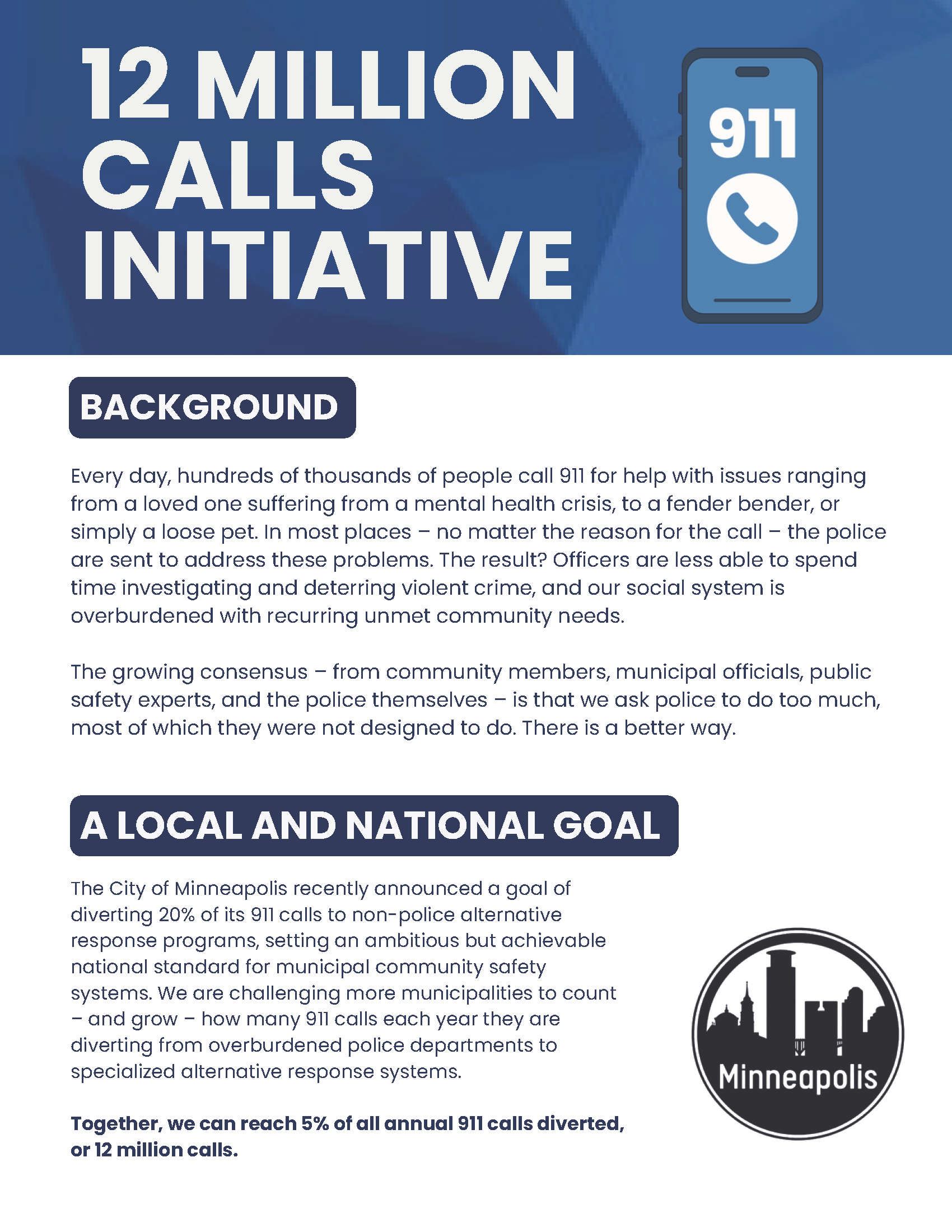
A Local and National Goal: 12 Million Calls
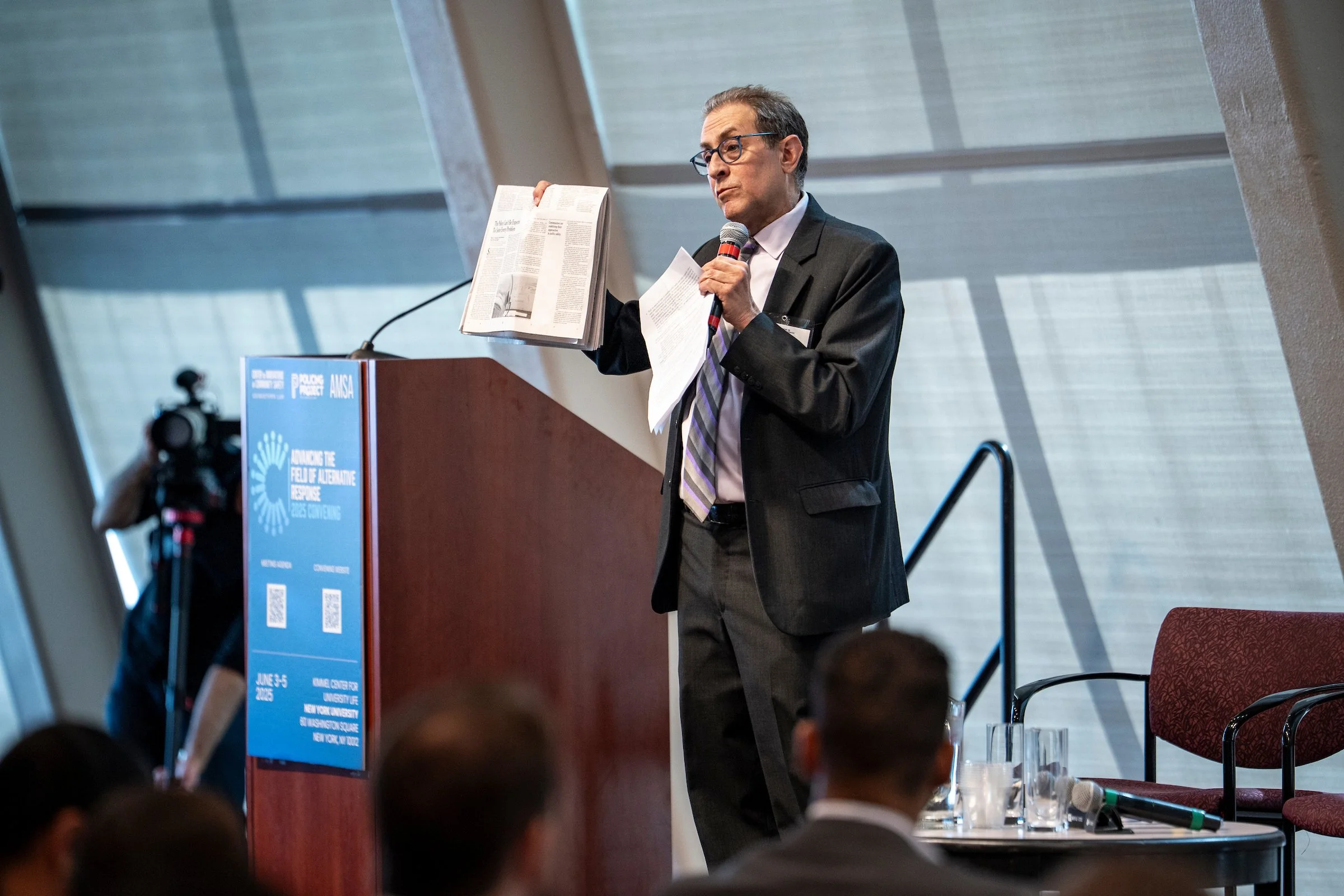
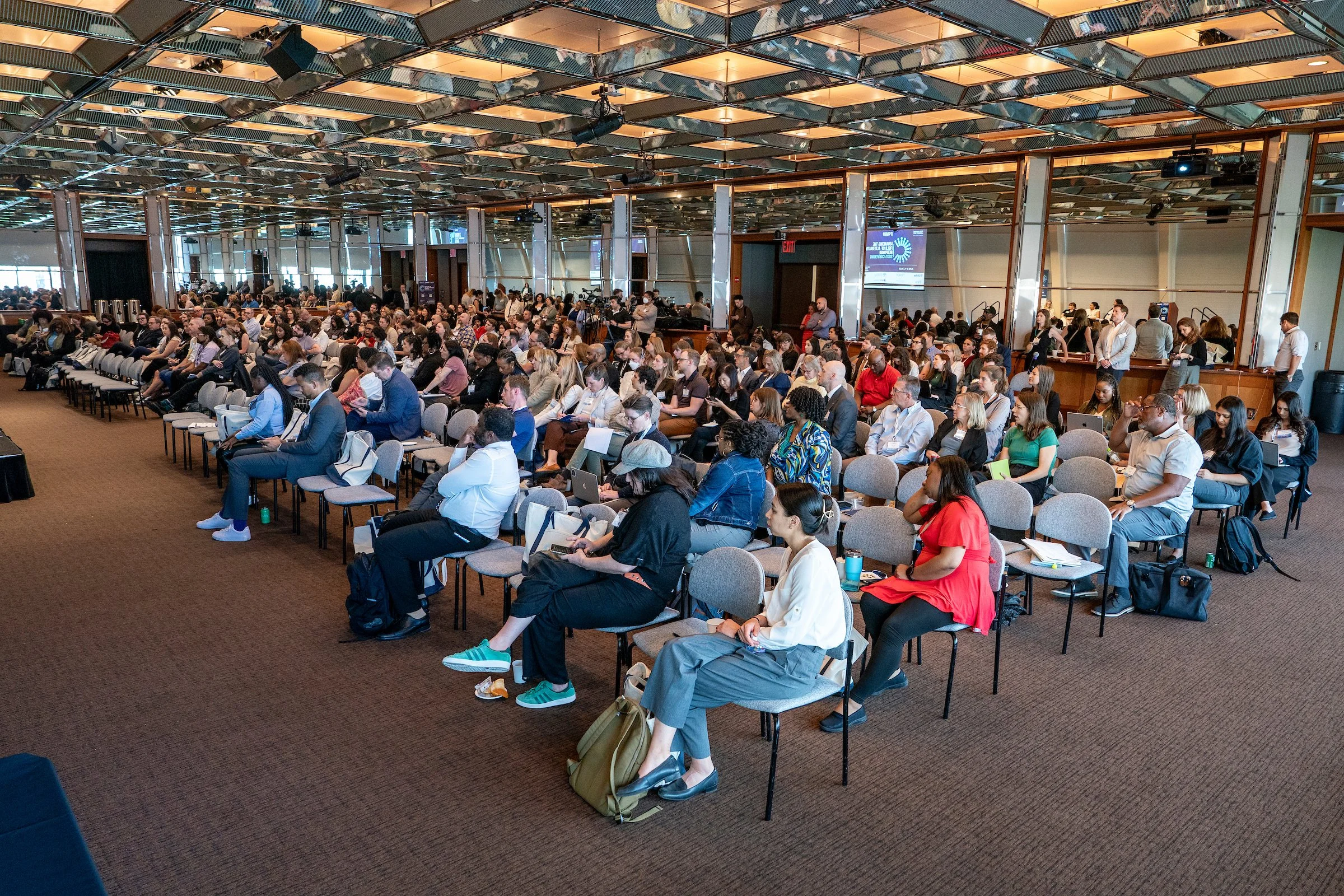
The City of Minneapolis recently announced a public goal of diverting 20 percent of its 911 calls to non-police alternative response programs – setting an ambitious but achievable national standard for municipal community safety systems.
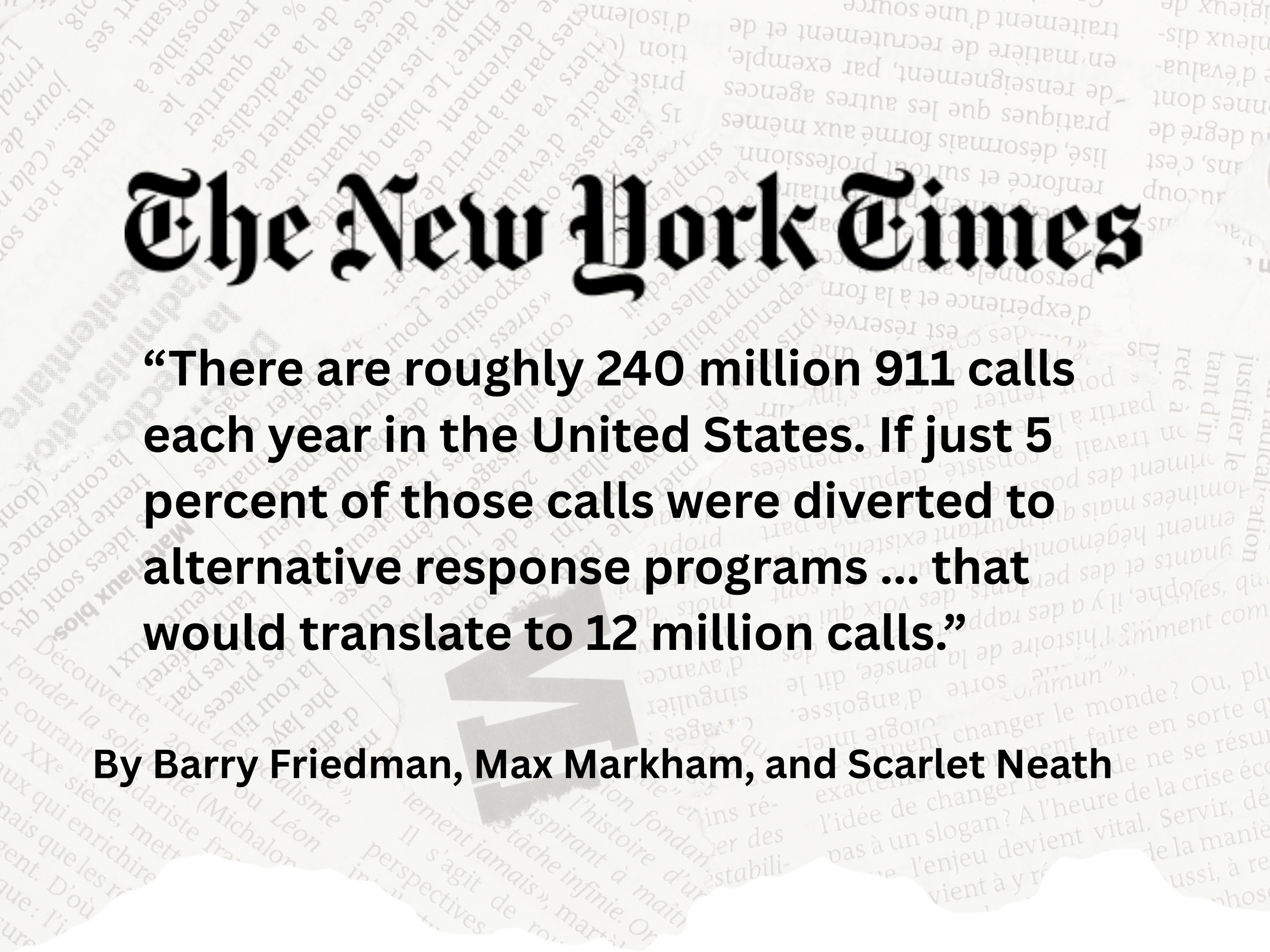
If the 100 largest municipalities in the country joined Minneapolis, that would result in 12 million 911 calls each year diverted from overburdened police departments to specialized alternative response systems.
“[Minneapolis] set a goal last year of redirecting 20 percent of 911 calls to responders other than the police over the next 10 years. That commitment — to our knowledge, the first of its kind for a major city — is ambitious, laudable and absolutely achievable.
Which leads to this question: What if over the next five years, even more communities follow the Minneapolis lead?
”
Join the Movement to Reimagine Public Safety
At the Policing Project, we are working with major cities across the country on the issue of alternative response. We have developed a research framework to identify the variety of problems to which we send the police every day that might be better suited for an alternate response – calls that can include administrative issues, code violations, quality of life problems, traffic crashes, and socially complex but non-violent incidents, among others.
Cities join the 12 Million Calls Initiative to get:
Tailored research and policy support to identify which calls can be safely diverted
Connection to a national peer network of pioneering jurisdictions
Access to proven policies and program models
See an example of our research and analysis
In collaboration with the City of Minneapolis, we conducted a comprehensive asset and gap analysis of the City’s community safety ecosystem to identify service gaps, areas of overlap, and opportunities for strategic improvement. The analysis and action plan drew on several sources of data, including public and agency data, findings from a multi-agency community safety questionnaire, and extensive follow-up conversations with safety providers.
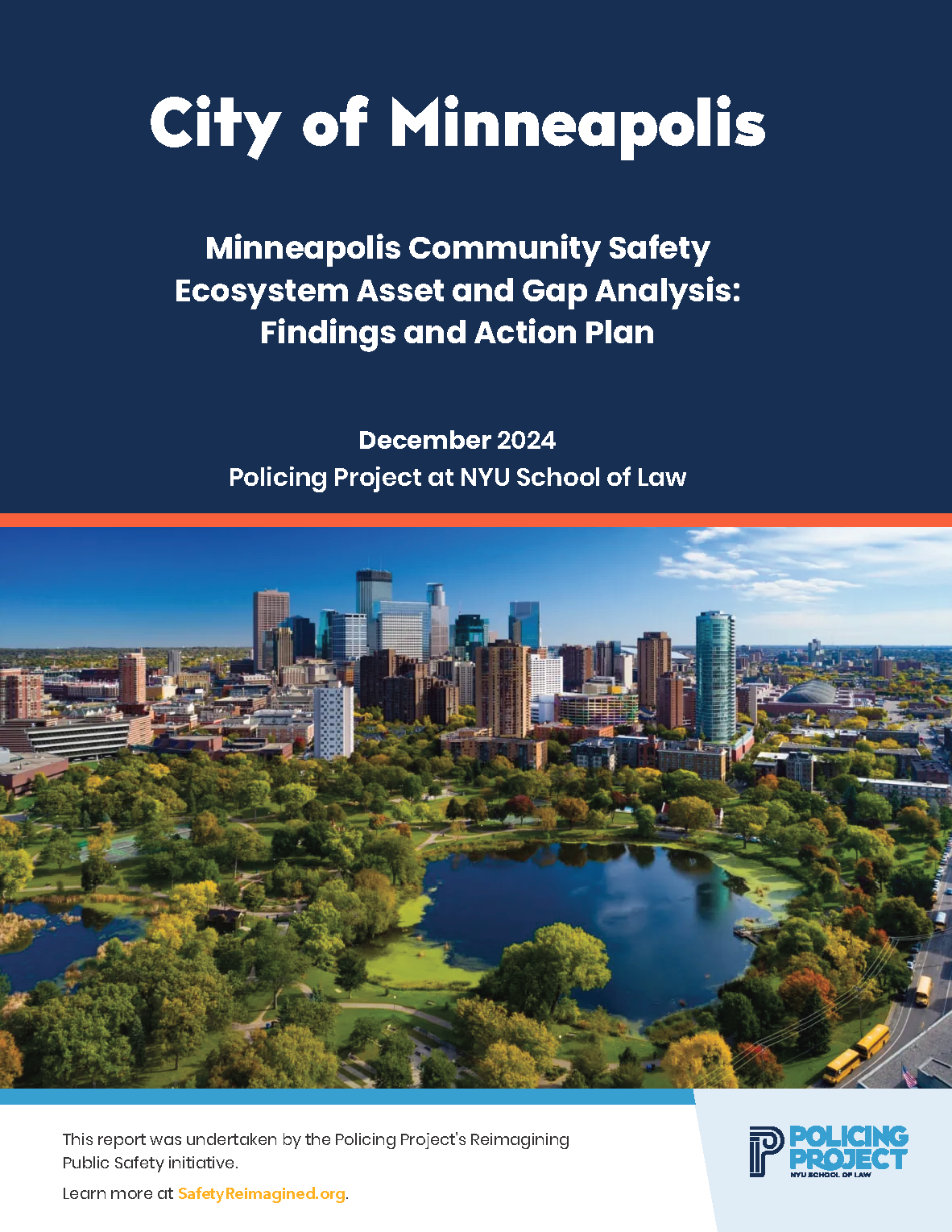
“By identifying existing gaps in these services, and proposing solutions to address them, this analysis aims to support the City of Minneapolis in building a more responsive, inclusive, and resilient community safety ecosystem..
”
Other resources
Visit safetyreimagined.org for more resources, research, and stories from communities reimagining public safety.